

You can't store electricity without batteries. You can store energy without them, by converting it into heat, cold, height or credit before the sun goes down. That distinction sounds pedantic until you try to run a fridge off a hot water tank.
Every one of these trades usefulness for cost. A battery gives back the same thing you put in. Everything on this page gives back something else, and that's the whole trade.
Can You Store Solar Energy in a Water Heater?
This is the one worth doing. Water heating is about 12 percent of US residential electricity consumption (EIA), a tank is already sitting in most houses, and a resistive element accepts whatever surplus you send it.
The arithmetic is straightforward physics. A 50 gallon tank holds about 189 kg of water, and raising it by one degree Celsius takes 4.186 kJ per kg:
| What you do | Temperature change | Energy absorbed |
|---|---|---|
| Heat a 50 gal tank from cold inlet to 120F | about 36C | 7.9 kWh |
| Raise a 50 gal tank from 120F to 140F | about 11C | 2.4 kWh |
| Raise an 80 gal tank from 120F to 140F | about 11C | 3.9 kWh |
The middle row is the honest number. The tank was going to be heated anyway; what a diverter actually buys you is the extra headroom between your normal setpoint and a higher one, and that's 2.4 kWh on a typical tank. At 18.16 cents per kWh (EIA), you're displacing about 44 cents a day of purchased heat.
Modest, isn't it? But a diverter costs a few hundred dollars against roughly $1,000 to $1,200 per usable kWh for lithium storage, so per dollar spent it's the best deal on this page. Go above 140F and you need a thermostatic mixing valve on the outlet, because that water will scald.
A few hundred dollars of water-heater diverter beats $1,000 a kWh of lithium on every measure except the one people shop on.
Can You Store Solar Energy in the Building?
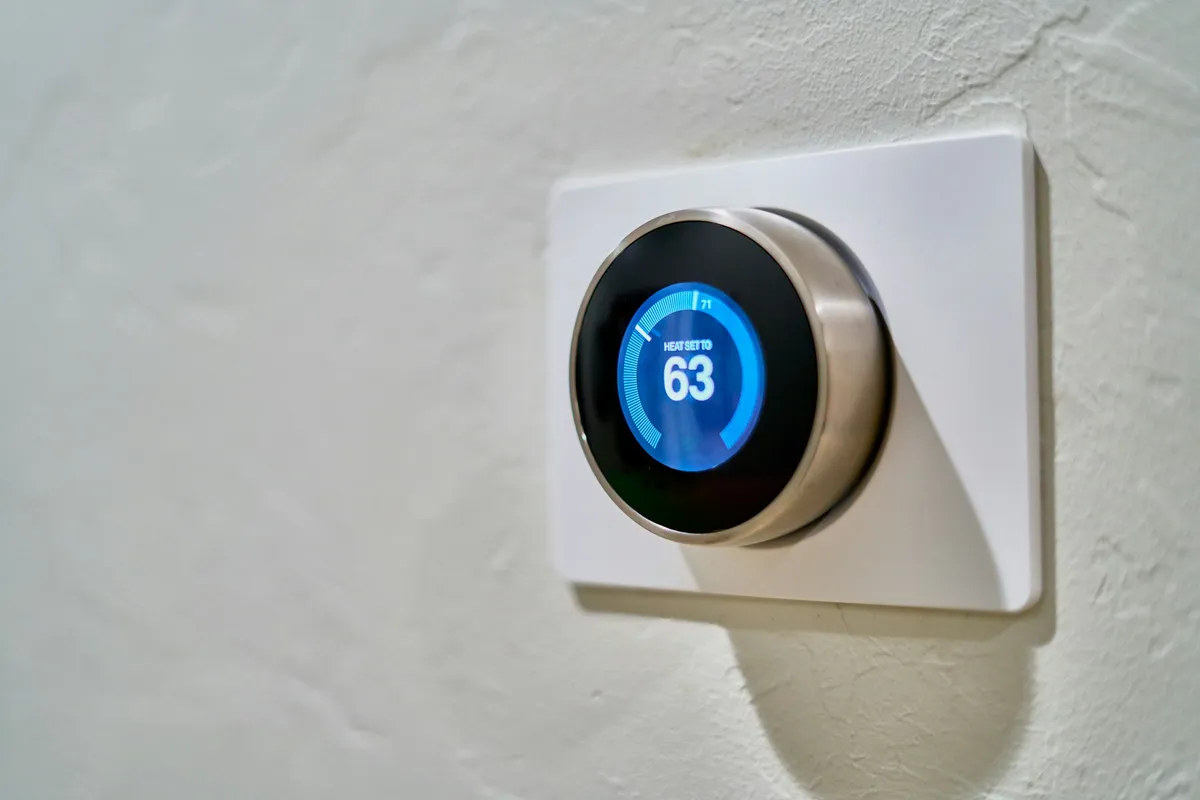
Your house is a thermal battery you already own. Run the air conditioning hard through the sunny afternoon, drop the interior a couple of degrees below target, and the building coasts through early evening on stored cool. In winter, do the same in reverse with a heat pump.
Concrete slabs and masonry hold this far better than timber-framed rooms, so the payoff depends heavily on what your house is made of. There's no equipment to buy, just a schedule change, which makes it the cheapest option here by a distance. It's also the least controllable: you can't decide later to spend that energy on something else.
Can You Use the Grid as Your Battery?
Net metering is the most common answer to this question and the most widely misunderstood. Your surplus doesn't go into storage anywhere. It's consumed by a neighbour within milliseconds, and what you receive is a credit on a ledger.
That works well financially where full retail net metering survives. It works poorly where export rates have fallen to a few cents while you buy back at 18. And it fails completely in a blackout: a grid-tied inverter disconnects when the grid goes down, so every credit you've banked is unreachable exactly when you want power most.
Is that storage? Financially yes, physically no, and the difference shows up on the one day a year you actually needed it.
What Does the Grid Itself Do?
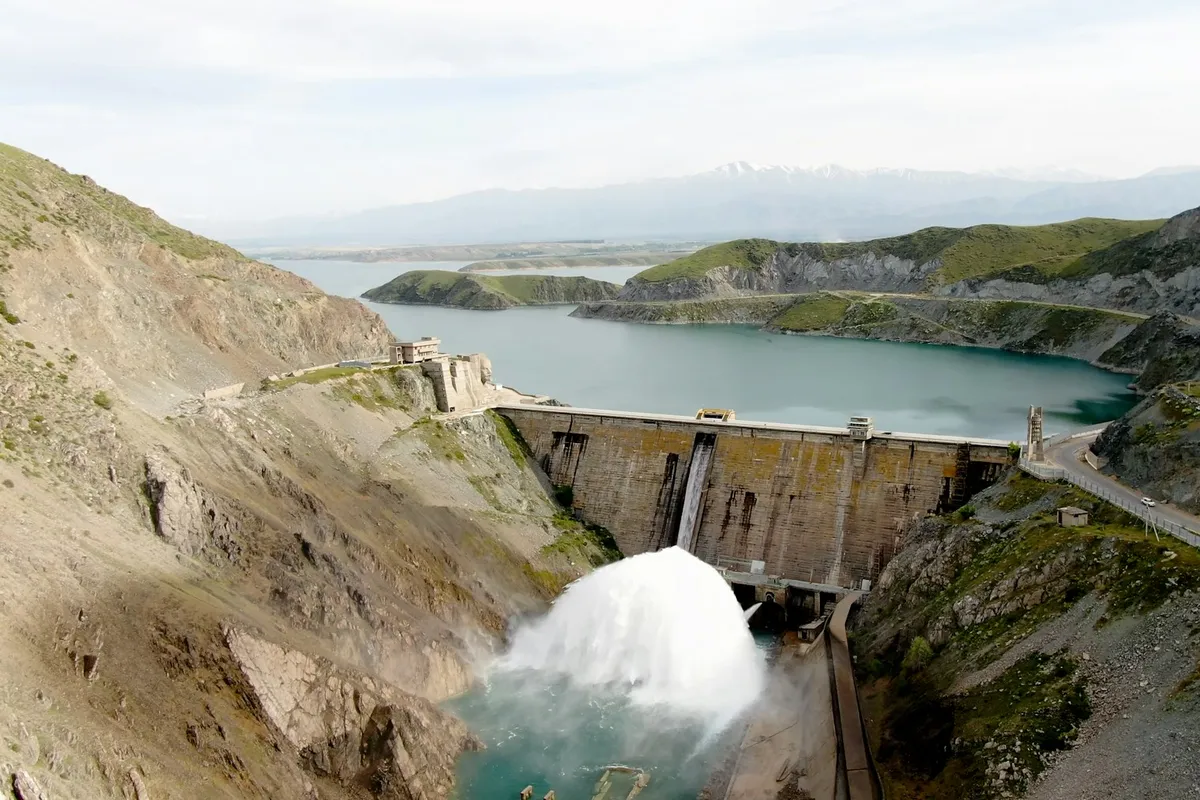
Worth knowing what the professionals use, because it isn't chemistry. The most common form of energy storage on the power grid is pumped-storage hydropower (DOE): water pumped uphill when power is cheap, released through turbines when it's dear.
And the EIA is blunt about the cost of doing it. Pumped-storage plants generally use more electricity pumping water up than they produce releasing it, so they run a net negative generation balance. Storage is a service, not a source. Every route on this page pays that same tax, whether the losses show up as heat, as evaporation, or as a lousy export rate.
Which One Should You Actually Do?
If you have an electric tank and a poor export rate, fit a diverter. That's the clearest win available, and it needs no permission from your utility. I'd do that before pricing a single battery quote, because it's the only item here that pays back inside a year.
If you have a heat pump and a masonry house, shift the schedule. Free.
If your utility still pays full retail for exports, do neither and take the credit, because nothing you install beats getting your own rate back. And if what you actually want is lights during an outage, none of this helps and you want a battery, sized against your evening load rather than bought by the headline kWh, which is the whole point of our battery sizing guide. What happens once that battery fills is its own question, covered in what happens when batteries fill.
Summary
Storing solar without batteries means changing what the energy becomes. A water tank takes about 2.4 kWh of dispatchable surplus, a masonry house takes an afternoon of pre-cooling, and the grid takes everything but hands back credit rather than kilowatt-hours. All three are cheaper than lithium and none of them will keep your freezer running. Pick the one that matches the bill you're trying to shrink.