

Solar power gets used in far more places than the rooftop picture suggests. It makes electricity through photovoltaic panels, it makes heat through thermal collectors, it runs equipment nobody can reach with a power line, and it keeps satellites alive in orbit. In the United States, utility-scale solar generated 165 billion kWh in 2023, roughly 3.9 percent of all utility-scale generation, with another 73.62 billion kWh estimated from small-scale rooftop systems (EIA).
TL;DR: Solar power has two distinct jobs. Photovoltaic panels make electricity for homes, businesses, grids, and spacecraft. Thermal collectors make heat for water, pools, and buildings. Roughly 3.9 percent of US utility-scale generation came from solar in 2023, plus an estimated 73.62 billion kWh from small-scale rooftop arrays.
I went into EIA's 2023 generation table expecting rooftop solar to be a rounding error next to the big desert plants. It isn't. Small-scale photovoltaics added nearly half again on top of utility-scale solar output, which tells you the technology is being used at two completely different scales at once.
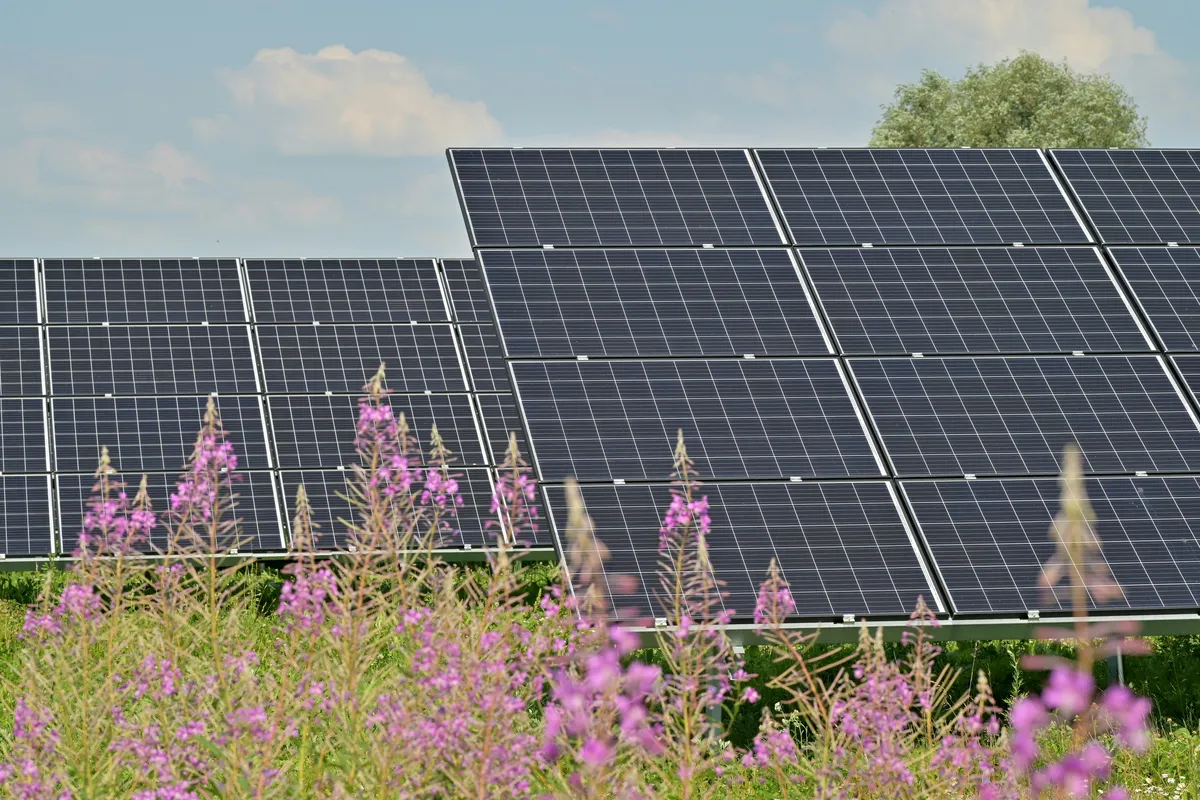
What Are the Main Ways Solar Power Gets Used?
Every application traces back to one of two conversions: sunlight into electrons, or sunlight into heat. The list below covers where each one earns its place.
- Grid electricity. Utility-scale plants feeding transmission lines, the largest single use by volume.
- Rooftop generation. Homes and businesses offsetting the power they would otherwise buy.
- Water and space heating. Thermal collectors warming domestic hot water, pools, and building air.
- Off-grid power. Cabins, boats, RVs, telemetry stations, and water pumps with no utility connection.
- Transport and mobility. Trickle charging, auxiliary loads, and charging electric vehicles from a home array.
- Spacecraft. Satellites and probes, where photovoltaics have been standard since the 1950s.
- Small devices. Calculators, parking meters, road signs, and garden lighting.
How Much Electricity Does Solar Actually Supply?
Here's the 2023 US picture, straight from EIA's generation-by-source table:
| Source | Billion kWh | Share of utility-scale total |
|---|---|---|
| Natural gas | 1,802 | 43.1% |
| Coal | 675 | 16.2% |
| Wind | 425 | 10.2% |
| Hydropower | 240 | 5.7% |
| Solar (utility-scale) | 165 | 3.9% |
Small-scale solar sits outside that table entirely. EIA estimates it separately at 73.62 billion kWh, because those systems feed a house first and the grid second. Add the two and solar's real contribution is meaningfully larger than the headline 3.9 percent, which is the single most misread number in US energy statistics.
Does that make solar a marginal source? Capacity tells a different story than generation. Utility-scale photovoltaic capacity climbed from 102.3 GW in 2024 to 133.9 GW in 2025 (EIA capacity factor tables), a 31 percent jump in one year.
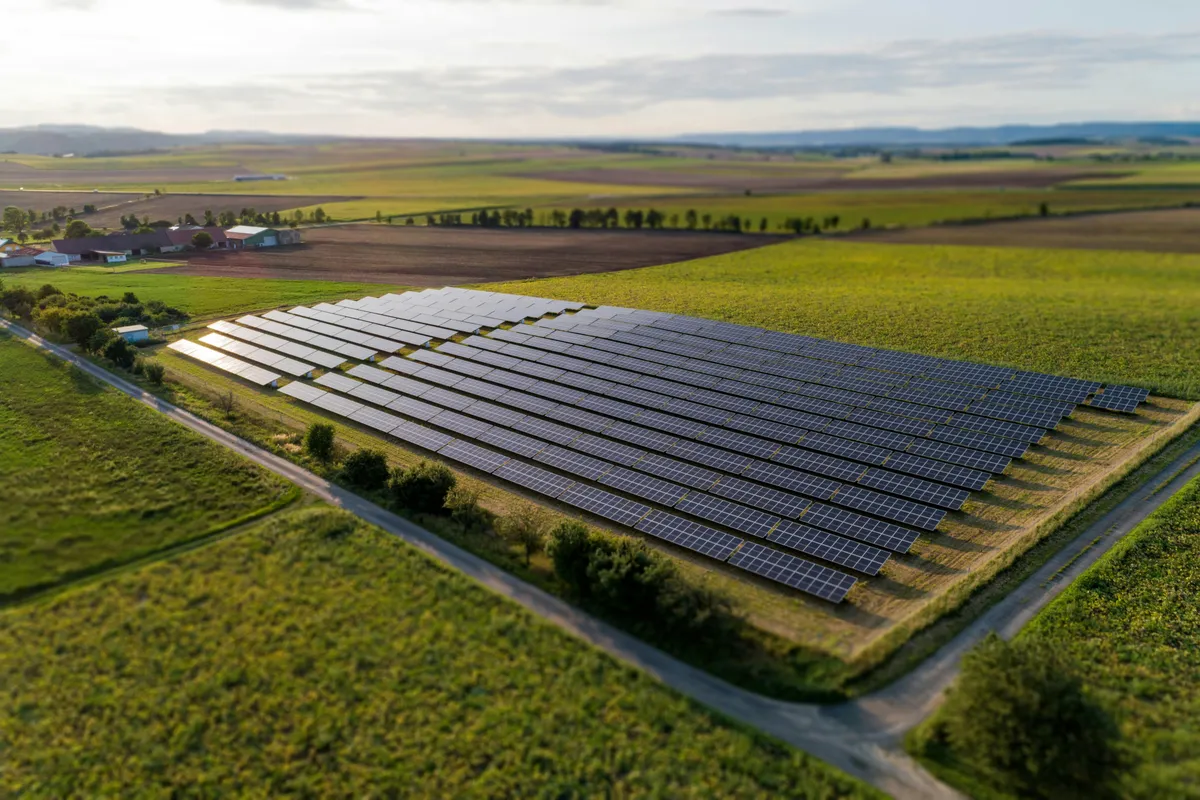
Where Solar Heat Beats Solar Electricity
Photovoltaics get the attention, but if what you actually want is hot water, converting sunlight to electricity and back to heat is a detour. Thermal collectors skip it. According to EIA's solar explainer, thermal systems are used to heat water for homes, buildings and swimming pools, air inside homes and greenhouses, and fluids inside solar thermal power plants.
A pool heater is the clearest case. Pool water needs to be warm, not hot, which is exactly the temperature range an unglazed collector delivers cheaply. My view: for pool heating specifically, thermal collectors remain the better buy, and the industry's near-total pivot to photovoltaics has quietly buried an application that worked well.
Which Jobs Does Solar Do Better Than Anything Else?
Off-grid work, without much competition. When a site has no utility connection, the comparison isn't solar against grid power, it's solar against running a line or trucking in fuel. The Department of Energy puts the cost of extending a power line to a remote site at $15,000 to more than $50,000 per mile depending on terrain.
Against that, a few panels and a battery bank look cheap. The same logic explains navigation buoys, remote weather stations, livestock water pumps, and the arrays on every spacecraft since Vanguard 1. Nobody is running an extension cord to orbit.
What Solar Still Handles Badly
Two limits, both structural. EIA states them plainly: available sunlight depends on time of day, location, season and weather, and a large surface area is needed to capture enough energy to be useful.
The capacity factor puts numbers on the first one. US utility-scale photovoltaic plants ran at 24.4 percent in 2025, against 34.2 percent for wind. That's not a defect, it's daylight. It does mean any application needing round-the-clock power needs storage, a second source, or a grid connection behind it.
Household scale makes the area constraint concrete. The average US residential customer bought 10,791 kWh in 2022, about 899 kWh per month, and covering that takes real roof area rather than a token panel or two.
Summary
Solar power is used for grid electricity, rooftop generation, water and space heating, off-grid power, transport, spacecraft, and small devices. Electricity is the biggest use by volume. Heat is the most efficient use per dollar when heat is what you need. Off-grid is where solar has no serious competition. And the limits are honest ones: output follows daylight, and it takes area.