

A typical 8 kW home solar system costs $20,000 to $25,000 installed in the US before any incentives (Wood Mackenzie). Divide that by 8,000 watts and you get $2.50 to $3.13 per watt. The number that changed this year isn't the price, it's what comes off it: the 30 percent federal credit no longer applies to a system you buy yourself.
I've watched people quote 2024 prices at each other all year and forget the credit line underneath. That line moved by thousands of dollars. A $22,000 system that cost $15,400 net in 2025 costs $22,000 net today.
What Does a Home Solar System Cost by Size?
Cost per watt isn't flat across system sizes. Permits, design, scaffolding and the truck roll get spread over however many panels you install, so bigger arrays dilute them.
| System size | Typical installed price | Notes |
|---|---|---|
| 4 kW | $12,000 to $15,000 | Fixed costs hit hardest per watt |
| 6 kW | $16,000 to $20,000 | Common on smaller or shaded roofs |
| 8 kW | $20,000 to $25,000 | The reference case above |
| 12 kW | $28,000 to $35,000 | Best price per watt, needs the roof for it |
The 8 kW row is the sourced anchor. The others scale that band with the fixed-cost effect applied, so treat them as planning figures and let three written quotes settle the real number.
What a system costs and what a given quote should cost are two different questions. The second one turns on dollars per watt, not the headline total, and that is where most overpaying happens - the guide on spotting an overpriced solar quote sets the ceilings and names the financing structures that make a fair per-watt price expensive anyway.
Why Did the Price Just Go Up for Buyers?
Because a subsidy expired, not because equipment got dearer. The IRS is unambiguous: the Residential Clean Energy Credit covered qualified property installed from 2022 through December 31, 2025, and is not available for property placed in service after that date.
Here's the same system, two tax years apart:
- 2025 purchase. $22,000 gross, minus 30 percent, $15,400 net.
- 2026 purchase. $22,000 gross, minus nothing, $22,000 net.
That's a $6,600 swing on identical hardware. State and utility programs still exist and still help, and a lease or power purchase agreement can pass through part of the separate commercial credit. Our guide to solar incentives covers what survived where.
What Are You Actually Paying For?
A quote bundles several different things, and the cheapest bid usually differs from the dearest in one or two of them rather than across the board:
- Panels and their efficiency class
- Inverter type, string versus optimizers versus microinverters
- Racking, and whether your roof needs custom flashing
- Electrical work, including a main panel upgrade if the service is undersized
- Permits, interconnection paperwork and utility fees
- Labour, scaffolding, and the installer's overhead and warranty
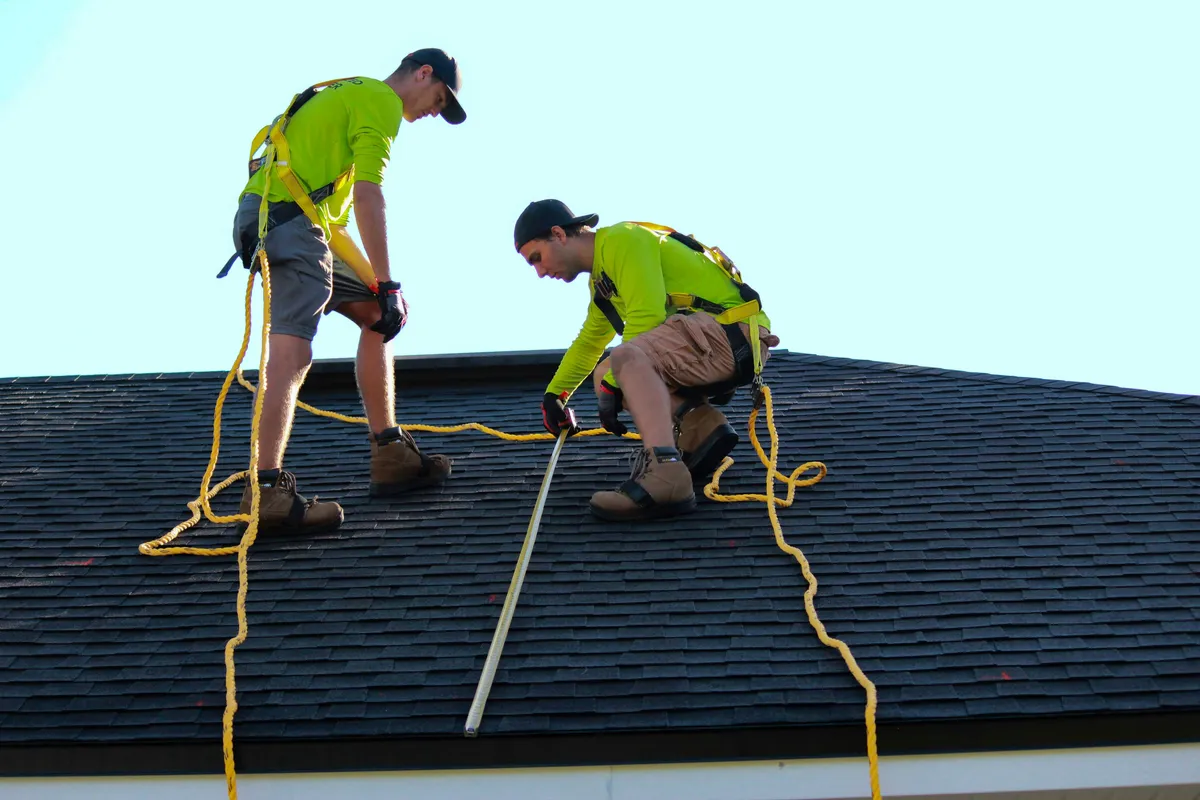
Roof pitch, shading and the age of your electrical service move a quote more than panel brand does. Two houses on the same street can be quoted several thousand dollars apart because one needs a steep-roof safety setup and a service upgrade while the other is a straightforward single-storey install with a modern panel board. That is why a national average is a starting point and never a bid.
A main panel upgrade is the line item that surprises people most often. An older 100 amp service frequently needs replacing before an installer will connect an array, and that work sits outside the per-watt price entirely.
What Does a Battery Add?
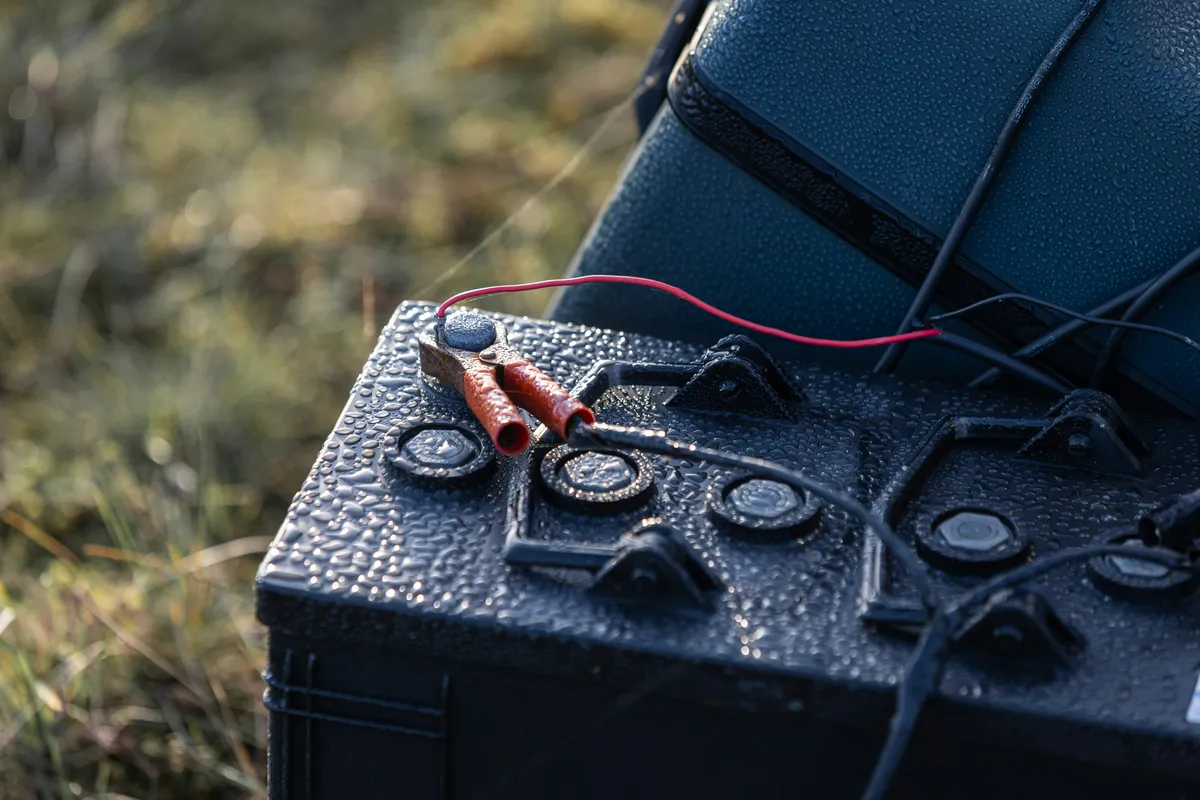
Storage runs $1,000 to $1,200 per usable kWh installed in 2026 (NREL). A 13.5 kWh unit therefore lands somewhere between $13,500 and $16,000, which can cost more than half of what the panels cost.
Is that worth it? Only if you're buying something specific: backup during outages, or self-consumption where your utility pays little for exports. A battery generates no additional kWh. Sizing it properly matters more than brand, which is what our battery sizing walkthrough exists for.
What Do You Get Back Each Year?
Savings depend on the rate you're escaping. The US average residential price reached 17.30 cents per kWh in 2025 and averaged 18.16 cents through the first half of 2026 (EIA Table 5.3). Rates are still climbing, which quietly improves the case for owning generation.
The average US residential customer bought 10,791 kWh in 2022, about 899 kWh a month (EIA). At 18.16 cents, that's roughly $1,960 a year of electricity. An 8 kW array covering most of it saves real money, though how fast that repays $22,000 is its own calculation, worked through in our payback period analysis.
There's a second way to read the same trade. Instead of dollars per year, divide the lifetime cost of the array by the kilowatt-hours it will generate and you get a levelised figure you can hold directly against the 18.16 cents your utility charges. That comparison, and why it usually lands well under the grid rate, is the subject of the solar energy cost per kWh guide.
My honest read: in 2026, solar in a high-rate state is still a sound purchase, and in a low-rate state without a decent local rebate the arithmetic has genuinely got harder. Anyone telling you the credit's disappearance changed nothing is selling something.
Prices also vary by state far more than most buyers expect, driven by local labour rates, permitting timelines and how competitive the installer market is. Dense metro areas with dozens of installers tend to price lower per watt than rural counties served by one or two companies. Collect at least three written quotes and compare them line by line rather than on the headline total.
Summary
Budget $20,000 to $25,000 for a typical 8 kW system, or $2.50 to $3.13 per watt, before incentives. Assume zero federal credit if you're buying it outright in 2026. Add $1,000 to $1,200 per usable kWh for storage. Then check your own utility rate, because that number decides whether the whole thing pays.