

Solar energy costs about 5.8 cents per kilowatt-hour at utility scale and roughly 8 to 9 cents from a home rooftop system, against the 18.16 cents US households actually paid for grid power in the first half of 2026 (EIA). Those three numbers answer the question better than any national average system price does.
TL;DR: New utility-scale solar averages 5.8 cents per kWh in the EIA's AEO2026 levelized cost figures, with a regional spread of 4.1 to 8.2 cents. A $21,000 rooftop array in an average US location generates around 264,000 kWh over 25 years, which is 7.9 cents per kWh, or about 8.7 cents once you budget an inverter replacement. Grid retail was 18.16 cents per kWh, Jan to Jun 2026.
Most cost articles quote a system price. That's the wrong unit if what you want to know is whether solar is cheap, because $21,000 tells you nothing without the kilowatt-hours underneath it.
What Does a Kilowatt-Hour of Solar Cost?
Levelized cost of electricity spreads everything, capital and operations, across everything a plant generates in its life. It's the only fair way to compare a solar farm against a gas turbine or against your utility bill.
| Source | Cost per kWh | Basis |
|---|---|---|
| Utility-scale solar, best region | 4.1 cents | EIA AEO2026, entering service 2031 |
| Utility-scale solar, average | 5.8 cents | EIA AEO2026, 25 regions |
| Utility-scale solar, worst region | 8.2 cents | EIA AEO2026 |
| Home rooftop, average US location | 8 to 9 cents | Calculated below |
| Onshore wind, average | 5.7 cents | EIA AEO2026 |
| Gas combined-cycle, average | 7.7 cents | EIA AEO2026 |
| Grid retail, US residential | 18.16 cents | EIA, Jan to Jun 2026 |
The EIA's levelized cost tables put standalone solar at $58.33 per MWh on average, which is where the 5.8 cents comes from. Pairing that plant with a battery pushes it to 9.4 cents, and that gap is the honest price of making solar dispatchable.
How Does the Rooftop Number Work?
Nobody publishes a levelized cost for your roof, so here's the calculation with every input exposed:
- System price: $20,960 for 8 kW at $2.62 per watt, the EnergySage marketplace average
- Annual yield: 1,400 kWh per installed kW, a mid-range US figure
- Degradation: 0.5 percent a year, the NREL fleet median
- Life: 25 years
Year one generates 11,200 kWh. Compound the degradation across 25 years and the array delivers roughly 264,000 kWh in total. Divide $20,960 by that and you land on 7.9 cents per kWh. Add $2,000 for one inverter replacement somewhere around year 13 and it becomes 8.7 cents.
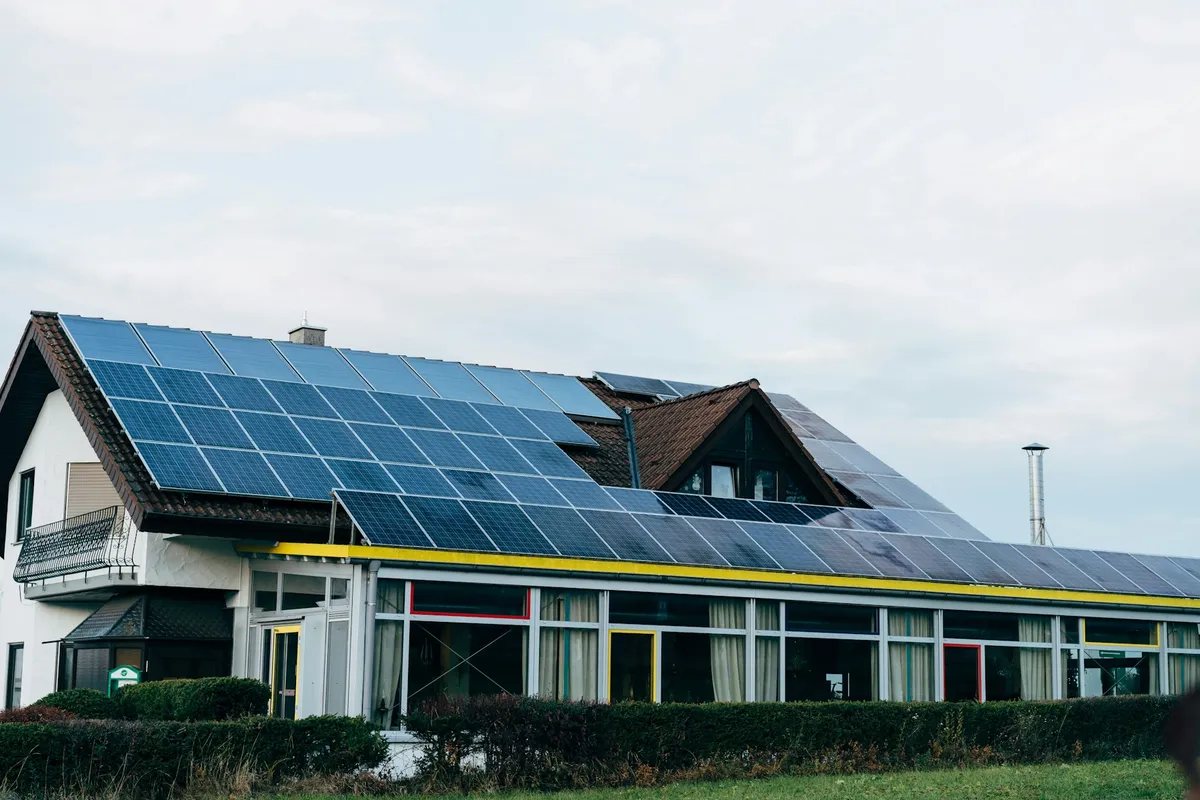
That figure assumes zero federal credit, which is correct for a system bought outright in 2026: the IRS confirms the Residential Clean Energy Credit is not available for property placed in service after December 31, 2025. Buyers running this same sum in 2025 got about 6 cents.
Why Will Your Number Be Different?
Latitude does more here than anything on the equipment list. Same money, same panels, three different places:
| Location type | Annual yield | Lifetime output | Cost per kWh |
|---|---|---|---|
| Cloudy north | 900 kWh/kW | 169,600 kWh | 13.5 cents |
| US mid-range | 1,400 kWh/kW | 263,800 kWh | 8.7 cents |
| Desert southwest | 1,750 kWh/kW | 329,800 kWh | 7.0 cents |
So is solar energy cheap? In Phoenix it's less than half the price of grid power and the question barely needs asking. In a cloudy state with 14 cent electricity, you're generating power at roughly what you'd pay for it, and the case rests on rate increases you haven't seen yet. I'd rather say that plainly than average the two into a headline.
One more trap sits in the word "cost". A kWh you generate and export for 3 cents of credit isn't worth 18 cents to you. Self-consumption, or an export rate worth having, is what converts a generation cost into a saving. If you store rather than export, timing decides the value: our battery sell-hours calculator maps the hours when day-ahead prices in seven markets actually reward discharging.
What Does the Trend Line Say?
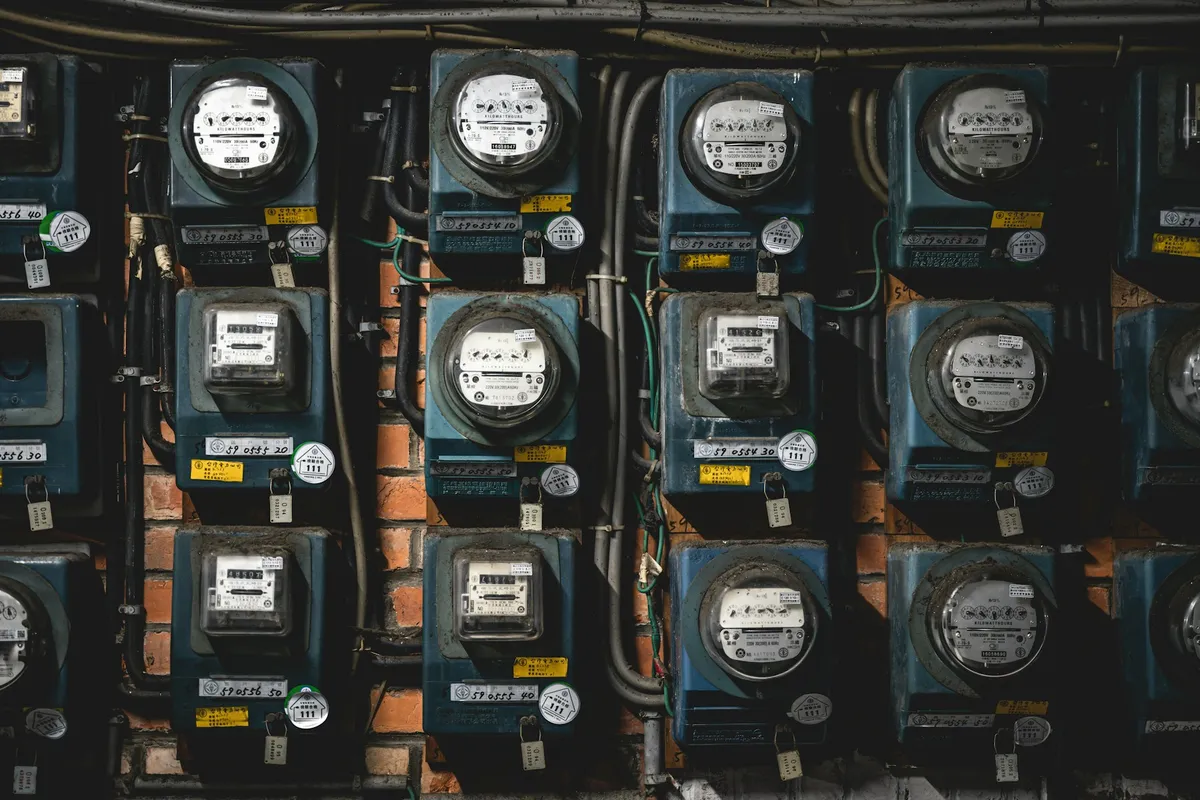
Retail electricity keeps climbing. The EIA's residential average went 16.48 cents in 2024, 17.30 in 2025, and 18.16 across the first half of 2026. Your solar cost per kWh, meanwhile, is fixed on the day you sign, because you've prepaid 25 years of fuel at zero.
That asymmetry is the actual argument for owning generation, and it survives the loss of the tax credit. It doesn't survive a bad price per watt, though. Pay $4 a watt in a low-yield state and your solar kWh costs more than the grid's. The benchmarks for a quote that is too high are in how much is too much. The assumptions behind those payback models show how quickly the arithmetic turns.
Summary
Solar energy costs 4 to 8 cents per kWh from a utility-scale plant and 7 to 13 cents from a rooftop, depending almost entirely on where the sun is. Grid retail sits at 18.16 cents and rising. Work out your own figure by dividing the installed price by lifetime kWh rather than trusting a national average, then compare it against the rate on your last bill. For the system price side of the question, see our 2026 solar panel cost breakdown.